Menu

Winter Bare Root Tree & Hedge Planting
At Hislop & Co, we can help you to transform your gardens or grounds through the Winter months with our bare root tree and hedge planting services. Many deciduous shrubs, trees and hedging plants, along with some evergreens, are available as bare root plants whilst they’re dormant between November and March. Despite the dormancy, the roots will quietly establish and grow away below ground. This means that by Spring, when the soil has warmed up, they are ready to fuel a fabulous display of flowers and foliage.
Advantages of Bare Root Plants
- Environmentally friendly – shipped without plastic pots
- Better value for money than containerised plants
- Quicker to establish as roots are in direct contact with soil
Drawbacks of Bare Root Plants
- Planting time limited to November – March
When to plant bare root plants
Bare root plants can be planted any time during the November to March dormancy period providing you’ve not got icy or snowy conditions, the ground is not waterlogged and it’s not excessively windy. Ideally, if the conditions permit, bare root shrubs and trees should be planted as soon as possible from delivery. Our staffs are well informed and will take care of the planting of your shrubs, choosing the ideal planting conditions.
Don’t plant bare root when:
- Ice or snow on the ground. Why? Ice stays frozen for months once buried which will slow the establishment of the root system and at worst kill your plant.
- Ground is waterlogged. Why? Wet ground can lead to compaction, inhibiting root growth.
- Very windy days. Why? The wind can dry out bare root plants very quickly before you get them into the ground.
About bare root tree and hedge planting
Hislop & Co. can offer you a selection of bare root tree or hedging to plant in your gardens or grounds. Our staff will discuss the advantages/disadvantages of different plants with you, helping you to make an informed decision that best suits your requirements. In doing so, you are able to enjoy the garden you have always wanted.
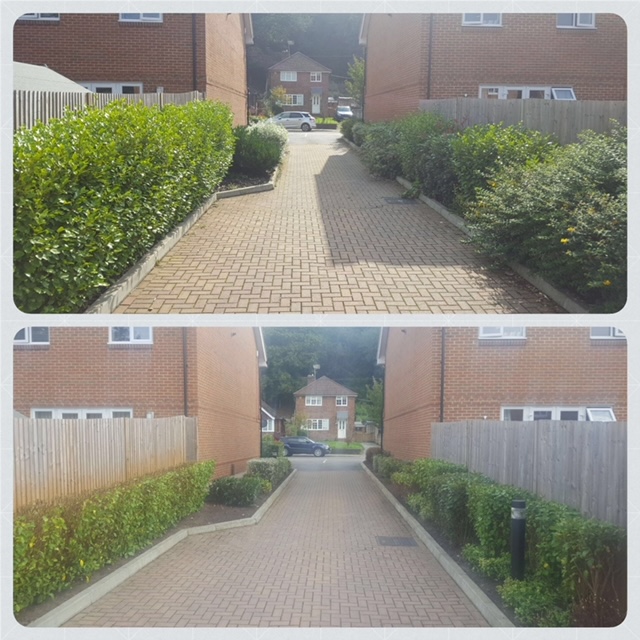
Some of the points to consider when choosing your bare root tree or hedging plant is if you want it to act as a living screen. There are many benefits to planting a living screen or hedge in the landscape. These natural plantings provide privacy, protection against wind, reduce noise, enhance energy conservation, create wildlife habitat, increasing species diversity in your neighbourhood. Not only this, but it also beautifies the landscape and screens unsightly elements.
Additionally, for formal hedging, we recommend using deciduous or evergreen plants. Some deciduous hedging holds its leaves (albeit dead) through the winter. This kind of hedging has the same attractions in terms of privacy that evergreen hedging does. However, if wind protection is a consideration, then hedging plants that drop their leaves tend to make better windbreaks than evergreen/brown hedges. This is due to them reducing wind flow rather than blocking it entirely.
Alternatively, our clients occasionally ask us to use mixed hedging, sometimes called native or country hedging. This provides a more varied habitat and a wider range of food sources and nesting opportunities. For more information about our Winter bare root tree and hedging services or to enquire, please get in touch today or fill out the form below.

Our Enquiry Form
Key points
- Transform your gardens over Winter with some bare root tree and hedge planting
- Available for planting from November to March
- Environmentally friendly and great value for money
- Great selection of plants to choose from